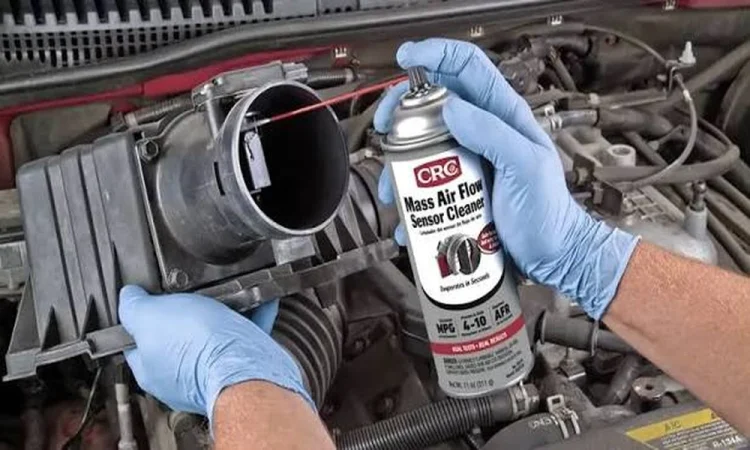
Key Takeaways
Cleaning the mass air flow (MAF) sensor can dramatically enhance fuel efficiency, helping vehicles achieve 2 to 3 more miles per gallon.
Keeping MAF sensors clean helps maintain the optimal air-fuel mixture, which leads to better throttle response and improved engine performance.
Numerous drivers have reported noticeable enhancements in vehicle performance-like smoother idling and swifter acceleration-thanks to regular MAF sensor cleaning.
Regularly cleaning MAF sensors minimizes wear on engine components, prolonging their lifespan and reducing the chance of costly repairs.
A clean MAF sensor plays a role in reducing vehicle emissions, aiding compliance with environmental regulations while decreasing pollutants released into the atmosphere.
Investing in MAF sensor maintenance allows for a deeper appreciation of vehicle health, encouraging a proactive stance toward engine care.
Cleaned MAF sensors also support sustainability efforts by lowering the vehicle’s carbon footprint and enhancing overall air quality.
Enhancing Fuel Efficiency Like Never Before
Uncovering the Fuel Savings Potential
Fuel efficiency has a direct bearing on a vehicle’s running costs. Surprisingly, many vehicle owners underestimate how much dirt can accumulate in the mass air flow (MAF) sensor. This buildup impacts the readings the engine control unit depends on to adjust fuel delivery. Clean sensors enable the maintenance of optimal fuel-to-air ratios. With a few sprays of mass air flow sensor cleaner, substantial fuel savings can be realized.
While most drivers often turn to aftermarket devices or fuel additives for that instant performance boost, they frequently overlook a relatively simple and effective solution: keeping sensors clean. A clean MAF sensor ensures optimized combustion efficiency. That translates to less fuel wasted and, ultimately, more miles per gallon. For those vehicles burdened with carbon buildup, the results can be nothing short of remarkable.
How Cleaner Sensors Optimize Air-Fuel Mixture
Efficient fuel combustion involves a delicate balance between air intake and fuel delivery. A compromised MAF sensor can easily disrupt this balance, leading to poor combustion and reduced engine efficiency. So, what happens when these sensors are cleaned? Clean sensors provide precise air intake readings, allowing the engine to fine-tune the air-fuel mixture effectively.
- Enhanced throttle response ensures quick acceleration when necessary.
- Fewer unburned hydrocarbons contribute to a cleaner exhaust.
- Optimal engine performance results in less wear on moving parts.
Clearly, a clean MAF sensor strikes the right balance for fuel efficiency. The potential savings aren’t mere speculation; many drivers have experienced fuel savings of 2 to 3 miles per gallon. For those commuting regularly, this can mean considerable savings over time. So, why settle for lower performance when a cleaner sensor can make a significant difference?
Boosting Engine Response Times
The Impact of Clean Sensors on Throttle Response
Engine response timing can make or break a driving experience. The throttle’s responsiveness relies heavily on the data from the MAF sensor. When dirt obstructs the sensor, it limits the necessary communication for precise control. For drivers, this means lagging acceleration. On the flip side, clean sensors guarantee the engine receives accurate information, vastly improving the potential for immediate throttle activation.
“A driver’s experience often hinges on how quickly the engine reacts to input; clean sensors are essential for that responsiveness.”
- Recalibrating the engine’s fuel mixture can yield better acceleration.
- Drivers gain enhanced confidence thanks to predictable throttle behavior.
- Steep inclines and quick merges can be tackled with assurance.
The link between cleanliness and performance is undeniable. When sensors are clean, every pedal push transforms into power almost immediately. Consider the impacts this can have on daily commutes and adventurous journeys alike. After all, no one desires a sluggish ride, and it’s reassuring that such a foundational aspect of performance can be so easily managed.
Real-World Examples of Enhanced Performance
Countless drivers have shared their experiences after using MAF sensor cleaners. Through online forums and casual conversations, feedback remains overwhelmingly positive. One owner, for example, experienced marked performance enhancements following just one application of cleaner. From smoother idling to a significant uptick in throttle response, the results are compelling. A common sentiment is the feeling of new life breathed into older vehicles.
- A taxi driver noticed shorter waiting times at traffic lights, thanks to quicker engine response.
- A car enthusiast found that smoother throttle allowed his vehicle to navigate corners with more precision.
- Delivery drivers reported decreased fuel costs due to cleaner sensors, benefitting their bottom line.
It’s intriguing how a simple maintenance adjustment can lead to substantial improvements. This insight means that vehicle owners, regardless of expertise levels, can easily make performance gains. And the best part? This isn’t just a quick fix; it’s a pathway to sustained performance.
Extending the Life of Your Engine Components
The Role of Cleanliness in Preventative Maintenance
Preventative maintenance plays a vital role in prolonging the life of engine components. While many focus solely on oil changes or timing belt replacements, they often overlook the importance of the MAF sensor. Dust and grime can accumulate in this essential component over time, leading to inaccuracies in the air-fuel mixture. Eventually, such miscalibration could accelerate wear on other engine parts.
- Preventative care decreases the likelihood of expensive repairs in the future.
- Regular MAF sensor cleaning promotes the overall health of the engine.
- A proactive approach guarantees the engine operates at peak performance for an extended period.
Some car owners mistakenly believe that engine longevity is solely tied to oil quality or fuel type. However, the reality encompasses a wider range of factors. Clean sensors help prevent excessive wear on vital components like pistons, valves, and more, which could deteriorate more quickly. Simple maintenance, such as routinely using a quality mass air flow sensor cleaner, can lead to remarkable benefits if fully appreciated.
How Sensors Influence Engine Longevity
When the MAF sensor is functioning properly, it relays real-time data that optimizes engine performance. This tuning is critical. Any discrepancies can create uneven wear patterns that affect components like spark plugs, injectors, and catalytic converters. By keeping sensors clean, vehicle owners can significantly extend the life of those parts, thus avoiding premature failures. It’s a straightforward concept: better data leads to better decision-making. So, how can one be sure of this proactive maintenance?
“Routine MAF sensor maintenance not only boosts performance but also safeguards the health of the vehicle’s entire operating system.”
- A handful of cleaner applications each year aligns with standard vehicle maintenance schedules.
- Monitoring for signs of dirt buildup helps maintain maximum engine efficiency and longevity.
- Engaging with automotive professionals about sensor cleaning may uncover tailored recommendations.
By dedicating time to cleaning, vehicle owners can avoid future headaches. This proactive mindset promotes deeper awareness of how vehicle components interconnect. When each part cooperates harmoniously, longevity isn’t just a wish; it transforms into a realistic expectation.
Reducing Emissions for a Greener Ride
Cleaner Sensors and Their Environmental Impact
Vehicles are required to comply with strict emissions standards. As the global focus shifts toward greener technologies, even small efforts to minimize emissions carry considerable weight. A clean MAF sensor has a direct influence on a vehicle’s emissions profile. When sensors are dirty, they can produce inaccurate readings, potentially causing an over-fueling situation. Conversely, clean sensors rectify this, helping to reduce harmful emissions. But how does this fit into the larger environmental picture? It’s all interconnected.
- Lower emissions lead to cleaner urban air.
- Programs aimed at curbing vehicular pollution greatly benefit from cleaner operations.
- A modest investment in maintenance results in significant gains for the environment as a whole.
For environmentally-conscious drivers, maintaining clean sensors means much more than just enhanced performance. This choice directly affects the vehicle’s carbon footprint, contributing to broader sustainability efforts. Cleaner engines lead to lowered emissions, while better data fosters improved outcomes for the planet. It’s a win-win that more drivers should keep in mind.
Compliance with Emission Standards Explained
With stringent emission standards being enforced, there’s increasing pressure on vehicle manufacturers and owners alike. Ensuring compliance cannot be overlooked. A clean MAF sensor can play a pivotal role in keeping emissions within acceptable parameters, helping to avert expensive fines and penalties. As regulations tighten, the need for an efficient air-fuel mixture becomes increasingly crucial. Cleaner sensors can lead to fewer emissions violations.
- Regular maintenance simplifies adherence to emissions testing requirements.
- Consistently cleaned sensors provide reliable data for onboard diagnostics.
- Enhancing emissions performance actively supports public health initiatives.
Engaging in regular sensor cleaning not only enhances individual vehicle performance but also supports a larger environmental mission. Vehicle owners have the chance to align with broader ecological goals, successfully driving home the message of responsibility. What more could one ask for than long-term savings, improved performance, and compliance?
Mass air flow sensor cleaner boosts a vehicle’s immediate efficiency while also reinforcing long-term objectives concerning environmental health and engine longevity. Through proper maintenance, owners play an active role in enhancing performance, moving towards a more sustainable future.
FAQ
How often should the mass air flow sensor be cleaned?
Experts suggest cleaning the mass air flow sensor every 15,000 to 30,000 miles. Still, various factors like driving conditions, air quality, and vehicle type might require more frequent cleanings.
What signs indicate that a mass air flow sensor needs cleaning?
Typical signs include sluggish acceleration, rough idling, and diminished fuel efficiency. Many drivers might also notice a check engine light, signaling a potential issue with the air-fuel mixture.
Can cleaning the MAF sensor impact fuel economy in older vehicles differently than in newer ones?
Indeed. While both older and newer vehicles can gain from cleaner sensors, older models often demonstrate more significant improvements due to increased levels of dirt and carbon buildup affecting performance.
Are there specific products recommended for cleaning mass air flow sensors?
Absolutely, it’s vital to use dedicated mass air flow sensor cleaners specially formulated for this purpose. These cleaners evaporate quickly and leave no residue, which is crucial for maintaining sensor integrity.
Can regular cleaning of the MAF sensor prevent engine wear and tear?
Yes, consistent cleaning helps sustain optimal air-fuel ratios, lessening stress on engine components. This proactive approach may prolong the lifespan of vital parts, ultimately saving on repairs.
Is it possible to clean a MAF sensor at home, or should it be done by a professional?
Most vehicle owners can manage cleaning at home with the proper tools and precautions. Nevertheless, consulting a professional may provide further insights or help address potential underlying issues.
What is the relationship between MAF sensor cleanliness and emissions testing compliance?
Maintained mass air flow sensors guarantee accurate readings, which help keep a vehicle’s emissions within legal limits. This proactive management effectively diminishes the risk of violations during emissions testing.
How does the cleaning process affect the overall vehicle maintenance routine?
Integrating regular MAF sensor cleaning into a vehicle’s maintenance regimen complements other services like oil changes and filter replacements. This creates a comprehensive strategy to keep the engine running efficiently while prolonging its lifespan.