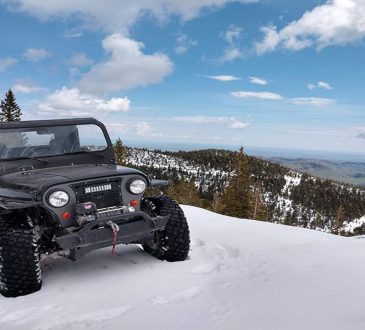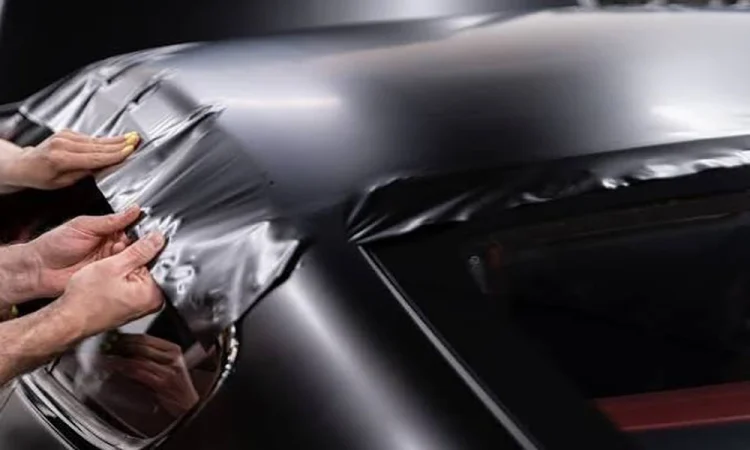
A standard vehicle description may not be enough for a paint protection film enquiry when the exterior has been modified. Identify the changed components, share their surface history and ask how the actual coverage will be assessed. The installer needs to understand the car that exists now, not just the factory model named in a booking form.
Photograph the part that changed
Begin with a whole-vehicle view and then show the modified area clearly. An aftermarket bumper, different hood or added body piece may alter the project even if the rest of the car remains standard. Explain what was replaced and what was added. Photographs help establish the conversation, but the provider may still need to inspect the component before confirming suitability or scope.
Use the component’s actual identity when known. Keep the supplier’s description and any relevant documentation available for the installer to review. Avoid assuming that a part described as fitting a particular model has the same shape or surface as the factory item. The purpose of supplying information is to reduce guesswork, not to tell the professional which film pattern or method to use.
Show details that may be easy to overlook in a distant image. Openings, joins and neighbouring trim can be relevant to the proposed appearance. Let the installer decide which technical details matter. You can help by providing clear access and accurate photographs without trying to turn a remote enquiry into a substitute for the required assessment.
Identify the surface history you can document
Tell the provider whether the component was supplied finished, painted later or repaired after installation. Share the dates and materials you can confirm. If a body shop completed the work, its records may help explain the surface history. Do not fill missing information with assumptions based on appearance. A finish that looks like the surrounding paint may still have a different history.
Recent work requires coordination with the relevant professionals. Ask the repairer or refinisher and the film installer to establish readiness for the proposed treatment. Avoid choosing an interval from a generic online rule. The actual materials and work performed should guide the decision, and an owner should not have to mediate technical uncertainty by guessing.
Point out any lifting finish, cracks, loose attachments or other known concerns before discussing coverage. Film should not be expected to resolve an underlying component problem. The provider can explain whether another assessment or repair is needed first. If that changes the schedule, it is better to know before a colour or coverage decision becomes an appointment deadline.
Ask how the proposed coverage will be developed
The important question is whether the provider can develop a suitable installation for the actual part and explain the result. Do not assume a standard package name answers that question. Ask where the film would finish, what visible joins or exclusions may be involved and which details remain subject to inspection. The scope should make the practical limits understandable.
Owners seeking paint-protection planning for modified bodywork can begin by discussing the PPF category published by SRS Tints for Mississauga and Vaughan. Disclose the modifications before requesting a price. The service page confirms coverage offerings, but it does not establish that every aftermarket component is suitable or that a particular custom installation can be provided. Those questions require direct assessment.
Keep the quotation specific about what is included. If the modified part requires a separate proposal, retain that distinction instead of folding it into an ambiguous whole-car label. A clear description also helps when comparing offers. Two providers may be pricing different boundaries or different amounts of preparation even though both messages refer to protecting the same vehicle.
Coordinate pending changes before installation
Tell the shop if the component will soon be adjusted, refinished or replaced. An owner may regard that work as a separate project, yet it can affect the sensible order of the film installation. Share confirmed plans rather than every hypothetical modification you have considered. The provider can then advise on the immediate scope without designing around an imaginary future version of the car.
Identify who is responsible for removing or refitting any part when that becomes necessary. Do not assume the film installer, body shop and accessory fitter each believe the other will handle it. The professionals should agree on their respective work and the owner should understand the arrangement. This prevents a booked appointment from arriving before the vehicle is actually ready.
If several businesses are involved, keep the current proposal available to each relevant party. A simple, accurate description of the part and the planned work is better than relaying disconnected verbal messages. Ask questions when instructions appear inconsistent and let the specialists resolve them. The goal is a coherent sequence, not an owner improvising between conflicting advice.
Preserve the distinction in the finished record
At collection, review the modified area separately from the standard bodywork. Compare it with the agreed coverage and discuss any differences. Ask for the appropriate care instructions and retain the film identification alongside the component information. A future enquiry will be easier when the records describe both the part and what was applied to it.
Photograph the completed boundaries for your own reference. If the component later needs work, those images can help explain the existing installation to another provider. They do not guarantee that a repair or replacement will be straightforward, but they reduce the need to reconstruct the starting point from memory. Update the record when the component or its treatment changes.
A booking form may still call the car by its factory model name. Your working record should go one step further and identify the part actually fitted. That small distinction keeps future care and protection decisions connected to the vehicle you own rather than the one pictured in a catalogue.