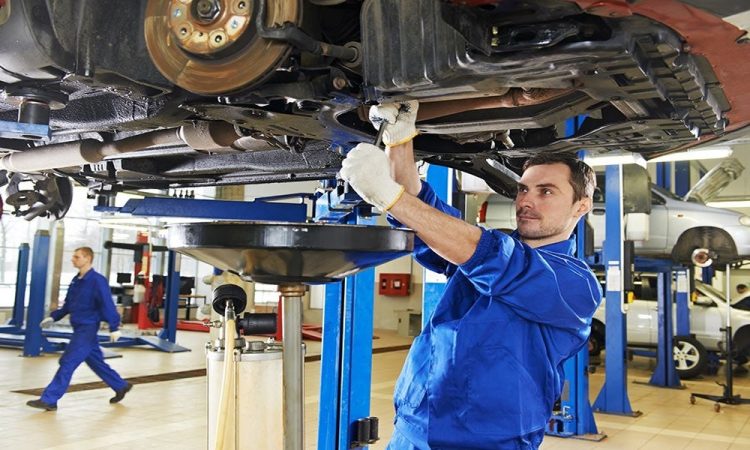
The vast fields of the Midwest provide bounty but create hidden mechanical challenges. Modern vehicles face a constant battle against microscopic particles during the harvest season. Fine agricultural dust acts differently than standard road grime or city soot. This grit finds its way into the most sensitive parts of a car engine.
Owners must understand how these invisible clouds threaten their daily commute. Maintaining peak performance requires a deep knowledge of local environmental factors. Every driver in rural areas deals with these silent airborne invaders.
The Nature of Rural Particulate Matter
Agricultural dust consists of organic debris and sharp mineral fragments. These tiny particles hang in the air for many hours after a tractor passes. Wind carries this thick silt across highways and into parked vehicles. The composition of this soil makes it particularly abrasive to plastic components. Now, the modern air intake must filter out these jagged microscopic rocks. Sometimes, the sheer volume of dirt overwhelms even the best factory filters. You might notice a drop in power during the dry summer months.
Mechanics of Intake Obstruction and Airflow
Air must flow freely for an internal combustion engine to breathe. A heavy layer of silt blocks the tiny pores of the filter media. This restriction forces the engine to work much harder for less oxygen. Consequently, the vacuum pressure inside the intake manifold begins to rise significantly.
The Skiles Automotive observes this specific type of damage during seasonal inspections. Restricted airflow disrupts the delicate balance of fuel and air during combustion. This leads to poor gas mileage and sluggish throttle response.
Electronic Sensor Sensitivity and Component Failure
Modern cars rely on sensitive sensors to monitor incoming air volume. The Mass Airflow sensor sits directly in the path of incoming dust. Fine silt coats the delicate sensing wire and sends false data. These errors cause the computer to miscalculate the necessary fuel injection. Then, the engine might stumble or idle roughly at stop lights. You may see a warning light appear on your dashboard unexpectedly.
Expert technicians at Skiles Automotive often find thick crusts on these sensors. Cleaning these parts requires steady hands and very specific chemical cleaners.
Long Term Consequences of Filter Neglect
Ignoring a dirty intake leads to more than just bad mileage. Fine dust can eventually bypass a saturated filter and enter cylinders. This grit acts like sandpaper against the smooth metal cylinder walls. Piston rings wear down much faster when exposed to farm silt. This internal damage leads to expensive repairs and shortened engine life. Finding reliable Auto Repair in Bremen, IN helps drivers stay ahead of these issues. Consistent maintenance prevents these small particles from causing a total engine failure. Professional shops have the tools to measure exact intake pressure drops.