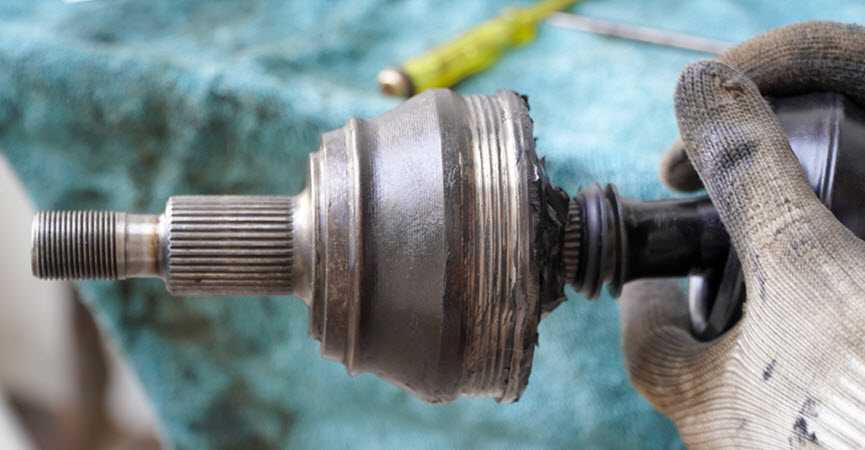
Audi engineering is known for smooth capacity delivery, exact handling, and the assurance of all-wheel-drive performance. Two main components create this possibility: the driveshaft and the CV (constant velocity) joints. These parts transfer the tool power to the wheels while allowing the suspension and drivetrain to move fluidly.
When either starts to fail, the syndromes aren’t always explosive. They frequently start as faint noises or limited vibrations that trainers can easily forget. But catching these early signs is key to preventing important drivetrain problems and Auto Repair in Augusta, GA.
Vibrations and Shaking
Many Audi owners first discover problems through quiverings that change based on speed or hurrying.
· Vibrations During Acceleration
If the driveshaft is out of balance or the all-wheel joints are worn, you can feel pulsing or shuddering, all the while during hard acceleration. This is commonly more noticeable in quattro models, place all wheels are powered.
· Vibration at Specific Speeds
A used center support bearing or a broken CV joint often causes vibration between certain speed ranges. The driver’s power feels through the floor, pedals, or steering wheel.
· Drivetrain “Thump” When Shifting
If the CV joints develop slack or the driveshaft has excessive play, the drivetrain may produce an easy hit when shifting gears or administering throttle unexpectedly.
These symptoms frequently worsen over a period and should never be rejected. You can also consult with experts like C&C Automotive.
Noises That Signal Trouble
When CV joints and driveshaft elements deteriorate further, they start producing apparent noises.
· Clicking During Turns
A classic sign of failing CV joints is a clicking or popping sound when curving. The noise tends to increase with tighter turns or all along full lock steering.
· Rhythmic Knocking at Low Speeds
A steady knocking sound—especially when driving slowly—may display a worn joint, loose driveshaft bolts, or internal damage.
· Metallic Clunk When Starting or Stopping
If you attend a clunk while transitioning from acceleration to deceleration, maybe driveshaft play or worn characteristic mounts. This noise discloses slack in the drivetrain that shouldn’t be there.
Listening carefully, all the while different speeds and driving conditions, helps define issues earlier.
Handling Changes
Beyond sound and vibration, the car’s management and driving feel can support important clues.
· Uneven or Delayed Power Delivery
If the driveshaft or CV joints are worn, the capacity may reach the wheels unpredictably. Some drivers specify this as a “slipping” feeling without any transmission issues.
· Feeling of Dragging or Resistance
A binding CV joint or damaged suspension can create fighting, making the car feel more difficult or less willing to move.
Conclusion
Audi vehicles transfer impressive depiction, but their civilized drivetrains rely on the exact function of driveshafts and CV joints. Contact a Trusted repair mechanic like C&C Automotive now.